home
17 mins read
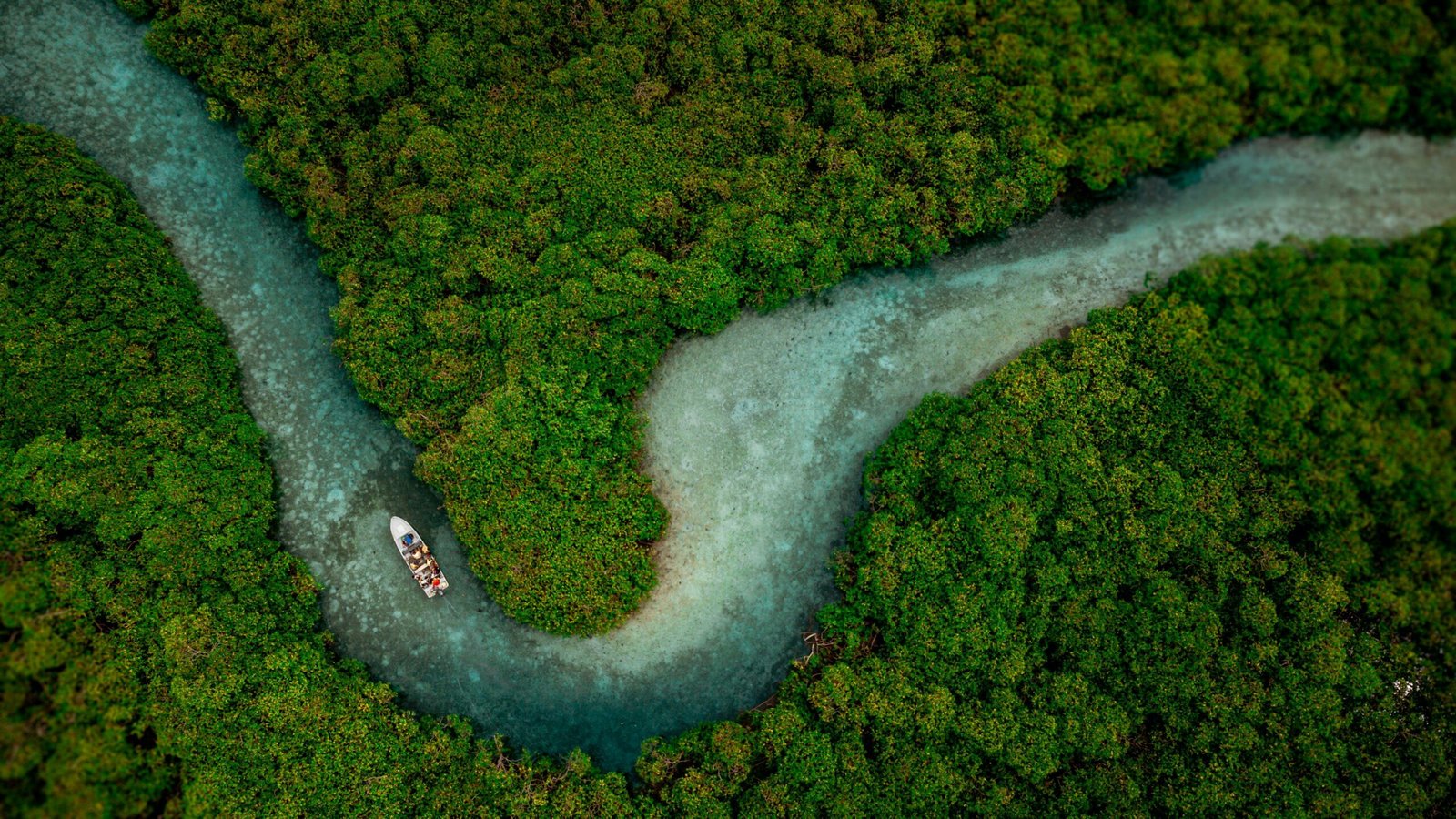
The Amazon rainforest,[a] also called the Amazon jungle or Amazonia, is a moist broadleaf tropical rainforest in the Amazon biome that covers most of the Amazon basin of South America. This basin encompasses 7 million km2 (2.7 million sq mi),[2] of which 6 million km2 (2.3 million sq mi) are covered by the rainforest.[3] This region includes territory belonging to nine nations and 3,344 indigenous territories.
- Location Bolivia, Brazil, Colombia, Ecuador, French Guiana (France), Guyana, Peru, Suriname, and Venezuela
- Coordinates 3°S 60°W
- Area 5,500,000 km2 (2,100,000 sq mi)

Type of organism Percentage of species per hectare
Birds
35%
Trees
55%
Epiphytes
70%
Reptile
50%
Amphibians
50%
Fish
50%
Primate
50%
birds
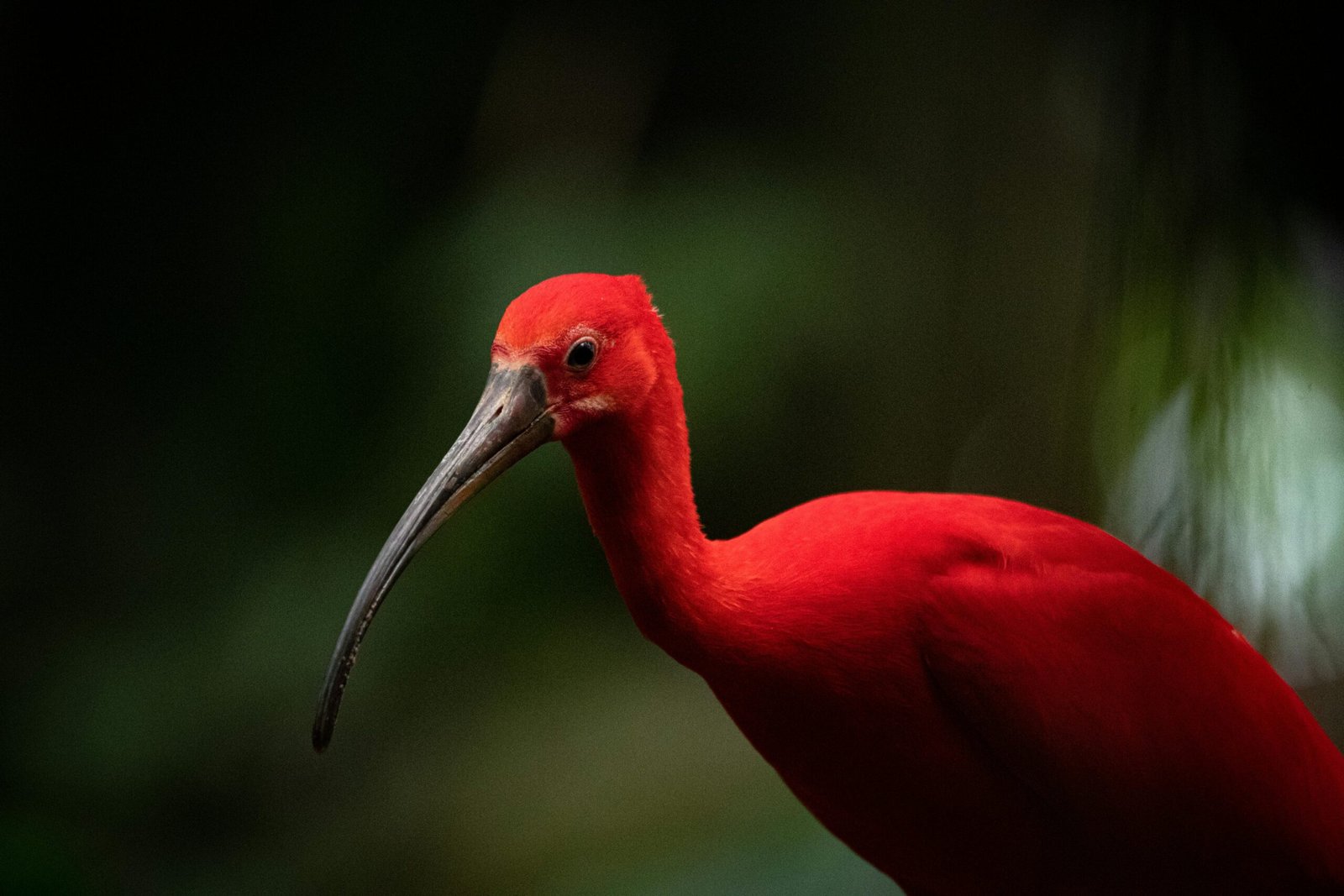
Birds are a group of warm-blooded theropod dinosaurs constituting the class Aves, characterised by feathers, toothless beaked jaws, the laying of hard-shelled eggs, a high metabolic rate, a four-chambered heart, and a strong yet lightweight skeleton. Birds live worldwide and range in size from the 5.5 cm (2.2 in) bee hummingbird to the 2.8 m (9 ft 2 in) common ostrich. There are over 11,000 living species and they are split into 44 orders. More than half are passerine or “perching” birds. Birds have wings whose development varies according to species; the only known groups without wings are the extinct moa and elephant birds. Wings, which are modified forelimbs, gave birds the ability to fly, although further evolution has led to the loss of flight in some birds, including ratites, penguins, and diverse endemic island species. The digestive and respiratory systems of birds are also uniquely adapted for flight. Some bird species of aquatic environments, particularly seabirds and some waterbirds, have further evolved for swimming. The study of birds is called ornithology.
Tree
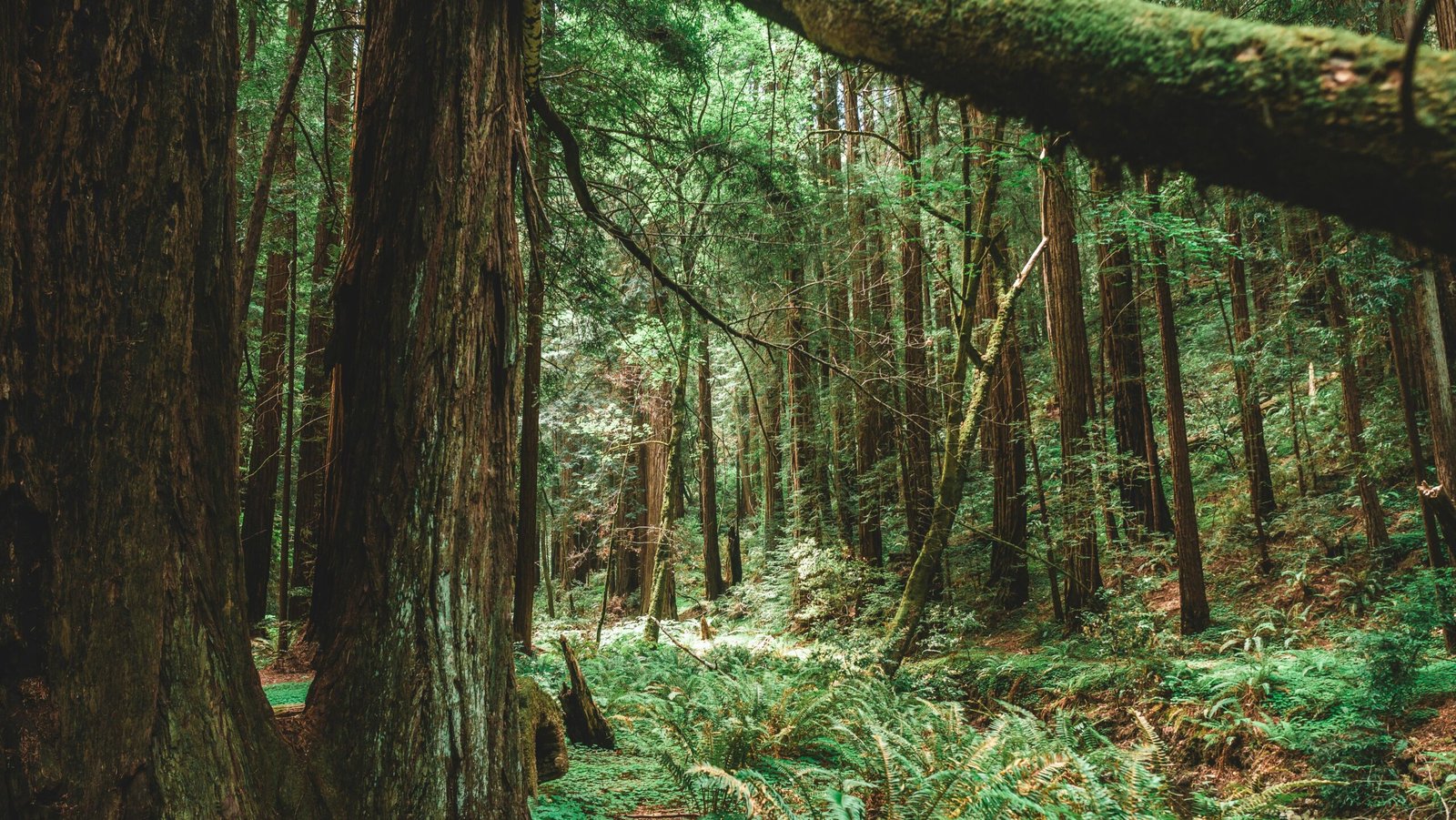
The phrase “the lungs of our planet” is increasingly used to describe the Amazon Rainforest, both among the people of South America as well as globally. The phrase refers to the significant amount of oxygen produced by the trees and other plant life of the Amazon.
The Amazon basin and South America have a vast array of incredible trees. The bark, leaves, seeds, sap, roots, and fruit have been used by indigenous people for thousands of years for medicinal and many other uses. More recently, western medicine has begun using some parts of trees to treat a variety of diseases.
Almost 400 billion trees belonging to 16,000 different species grow in the Amazon rainforest, according to scientists from the RAINFOR consortium in Peru and the UK, who participated in the recent study published in Science magazine. But half the total number of trees are thought to belong to just 227 ‘hyperdominant’ species, among them the rubber tree, the walking palm and the ungurahui tree
Epiphyte
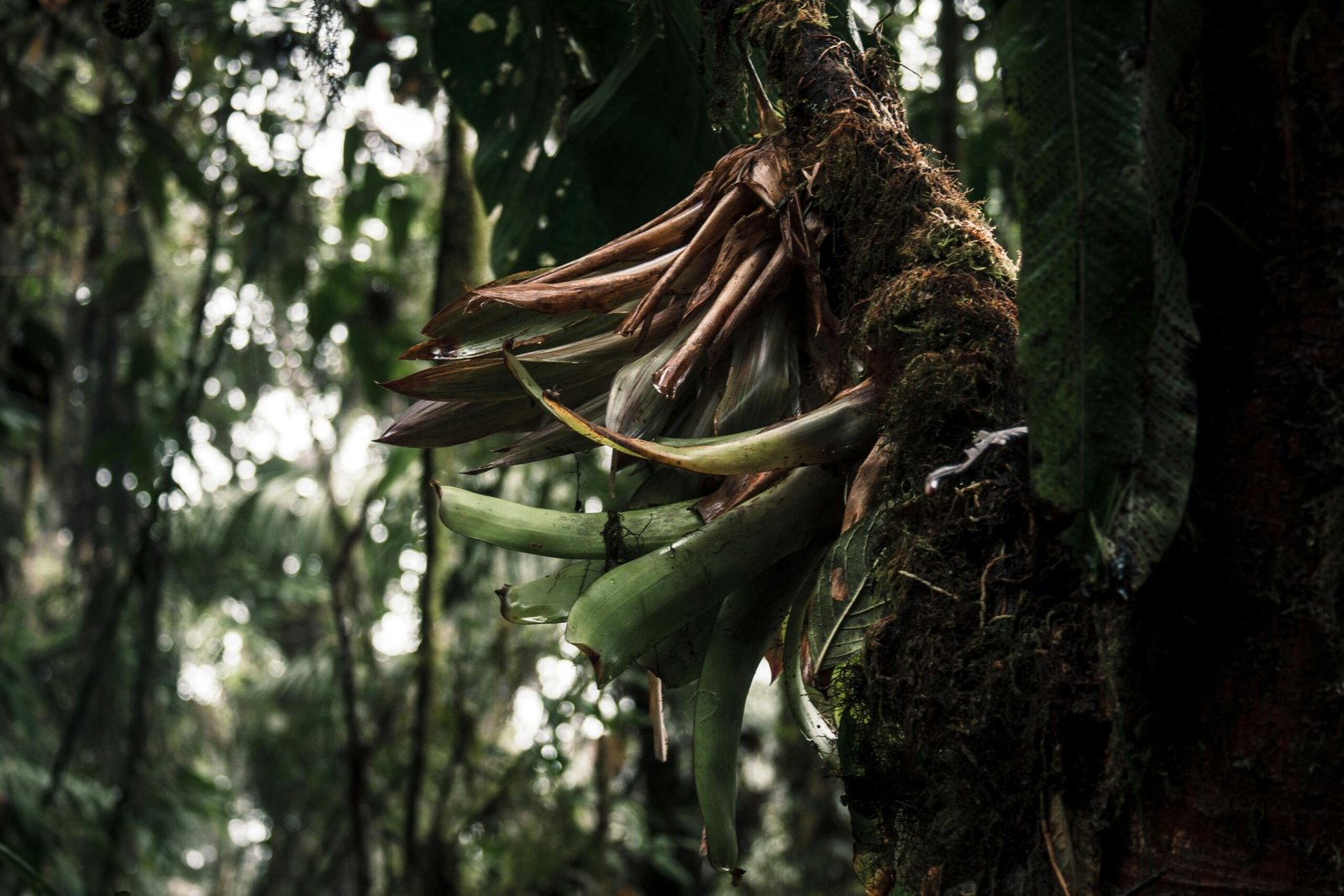
An epiphyte (from Ancient Greek epi-, meaning ‘upon’, and phutón, meaning ‘plant’) is a plant or plant-like organism that grows on the surface of another plant or plant-like organism such as kelp. It derives its moisture and nutrients from the air, rain, water (in marine environments) or from debris accumulating around it. The plants on which epiphytes grow are called phorophytes. Epiphytes take part in nutrient cycles and add to both the diversity and biomass of the ecosystem in which they occur, like any other organism. In some cases, a rainforest tree’s epiphytes may weigh several tonnes.[1] Epiphytes differ from parasitic plants in that they grow on the host for physical support only, and do not draw nourishment it. An organism that grows on another organism that is not a plant may be called an epibiont.[2] Epiphytes are usually found in the temperate zone (e.g., many mosses, liverworts, lichens, and algae) or in the tropics (e.g., many ferns, cacti, orchids, and bromeliads).[3] Epiphyte species make good houseplants due to their minimal water and soil requirements.[4] Epiphytes provide a rich and diverse habitat for other organisms including animals, fungi, bacteria, and myxomycetes.[5]
Epiphyte is one of the subdivisions of the Raunkiær system. The term epiphytic derives from Greek epi- ‘upon’ and phyton ‘plant’. Epiphytic plants are sometimes called “air plants” because they do not root in soil. However, that term is inaccurate, as there are many aquatic species of algae that are epiphytes on other aquatic plants (seaweeds or aquatic angiosperms).
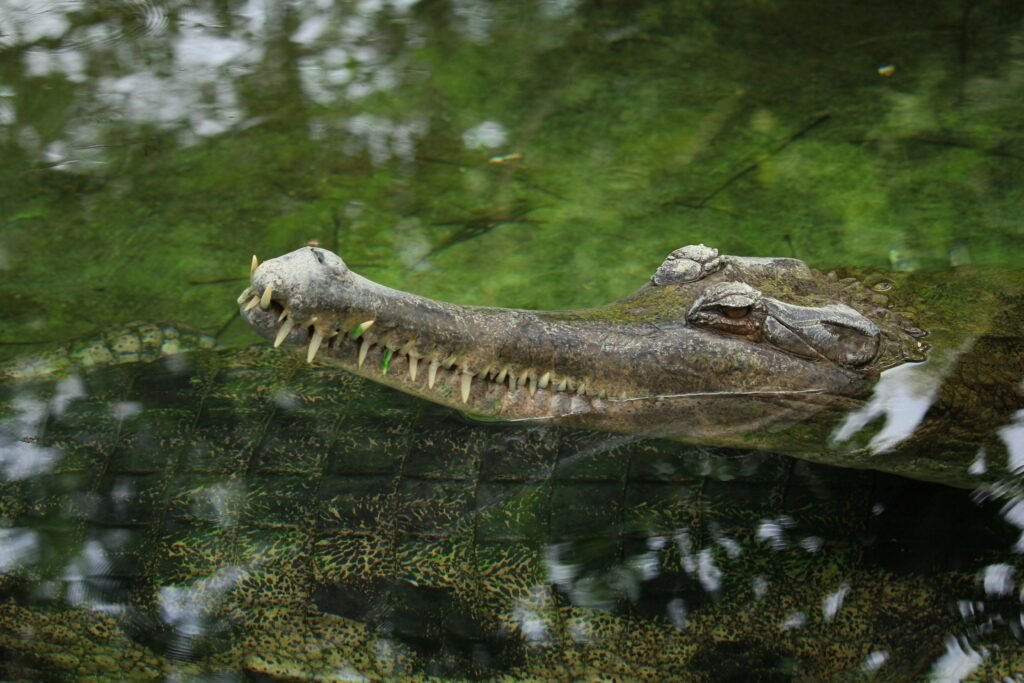
Reptile
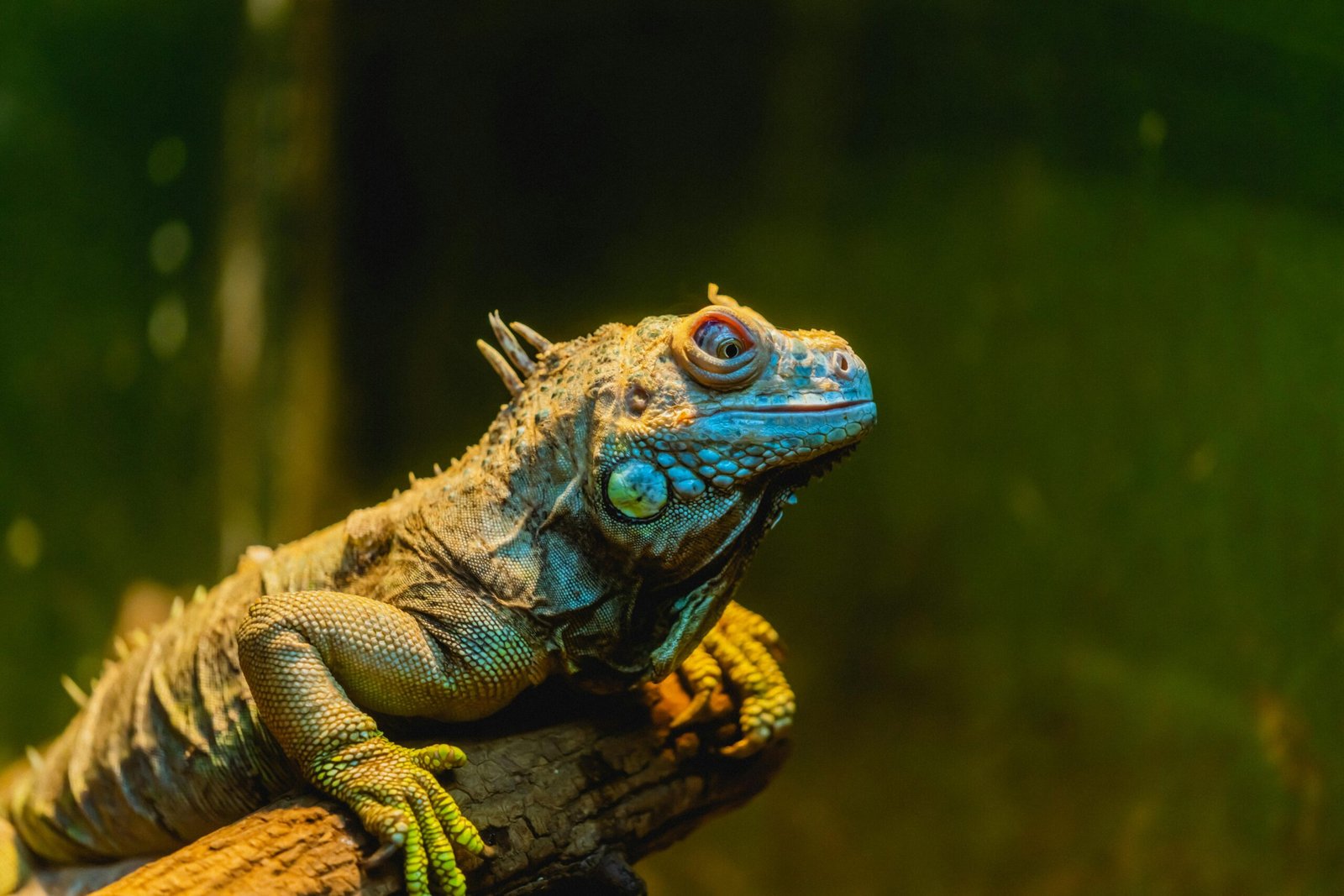
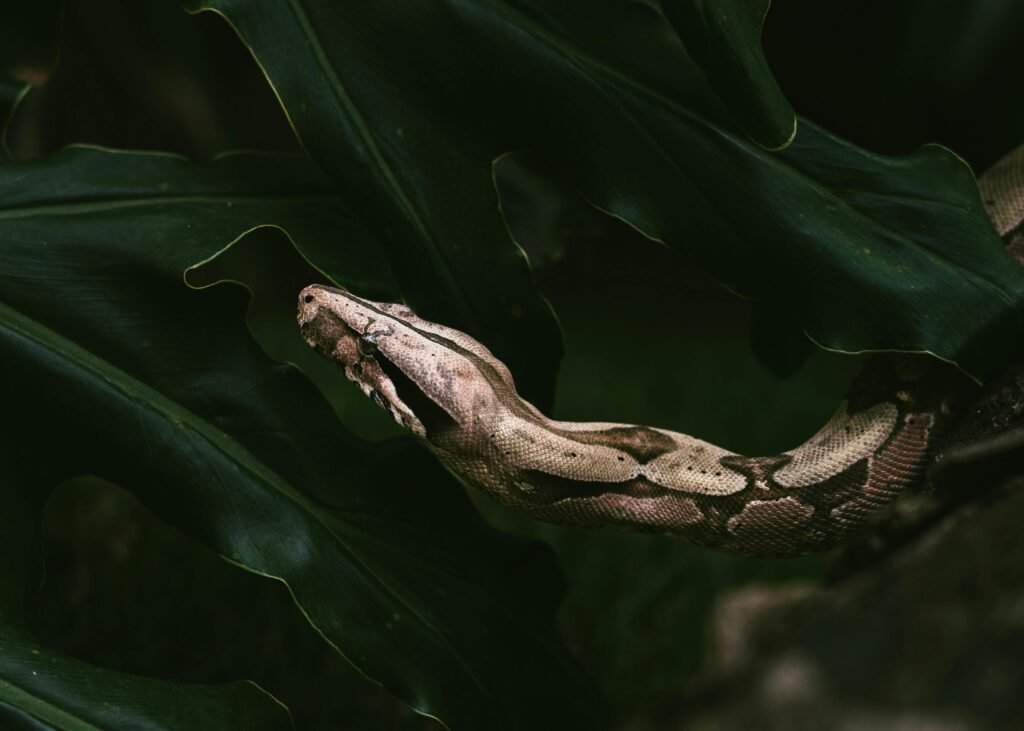
Reptiles, as commonly defined, are a group of tetrapods with an ectothermic metabolism and amniotic development. Living traditional reptiles comprise four orders: Testudines, Crocodilia, Squamata, and Rhynchocephalia. About 12,000 living species of reptiles are listed in the Reptile Database.[2] The study of the traditional reptile orders, customarily in combination with the study of modern amphibians, is called herpetology.
Reptiles have been subject to several conflicting taxonomic definitions.[3] In evolutionary taxonomy, reptiles are gathered together under the class Reptilia (/rɛpˈtɪliə/ rep-TIL-ee-ə), which corresponds to common usage. Modern cladistic taxonomy regards that group as paraphyletic, since genetic and paleontological evidence has determined that crocodilians are more closely related to birds (class Aves), members of Dinosauria, than to other living reptiles, and thus birds are nested among reptiles from a phylogenetic perspective. Many cladistic systems therefore redefine Reptilia as a clade (monophyletic group) including birds, though the precise definition of this clade varies between authors.[4][3] A similar concept is clade Sauropsida, which refers to all amniotes more closely related to modern reptiles than to mammals.[4]
The earliest known members of the reptile lineage appeared during the late Carboniferous period, having evolved from advanced reptiliomorph tetrapods which became increasingly adapted to life on dry land.[5] Genetic and fossil data argues that the two largest lineages of reptiles, Archosauromorpha (crocodilians, birds, and kin) and Lepidosauromorpha (lizards, and kin), diverged during the Permian period.[6] In addition to the living reptiles, there are many diverse groups that are now extinct, in some cases due to mass extinction events. In particular, the Cretaceous–Paleogene extinction event wiped out the pterosaurs, plesiosaurs, and all non-avian dinosaurs alongside many species of crocodyliforms and squamates (e.g., mosasaurs). Modern non-bird reptiles inhabit all the continents except Antarctica.
Reptiles are tetrapod vertebrates, creatures that either have four limbs or, like snakes, are descended from four-limbed ancestors. Unlike amphibians, reptiles do not have an aquatic larval stage. Most reptiles are oviparous, although several species of squamates are viviparous, as were some extinct aquatic clades[7] – the fetus develops within the mother, using a (non-mammalian) placenta rather than contained in an eggshell. As amniotes, reptile eggs are surrounded by membranes for protection and transport, which adapt them to reproduction on dry land. Many of the viviparous species feed their fetuses through various forms of placenta analogous to those of mammals, with some providing initial care for their hatchlings. Extant reptiles range in size from a tiny gecko, Sphaerodactylus ariasae, which can grow up to 17 mm (0.7 in) to the saltwater crocodile, Crocodylus porosus, which can reach over 6 m (19.7 ft) in length and weigh over 1,000 kg (2,200 lb).
Amphibian
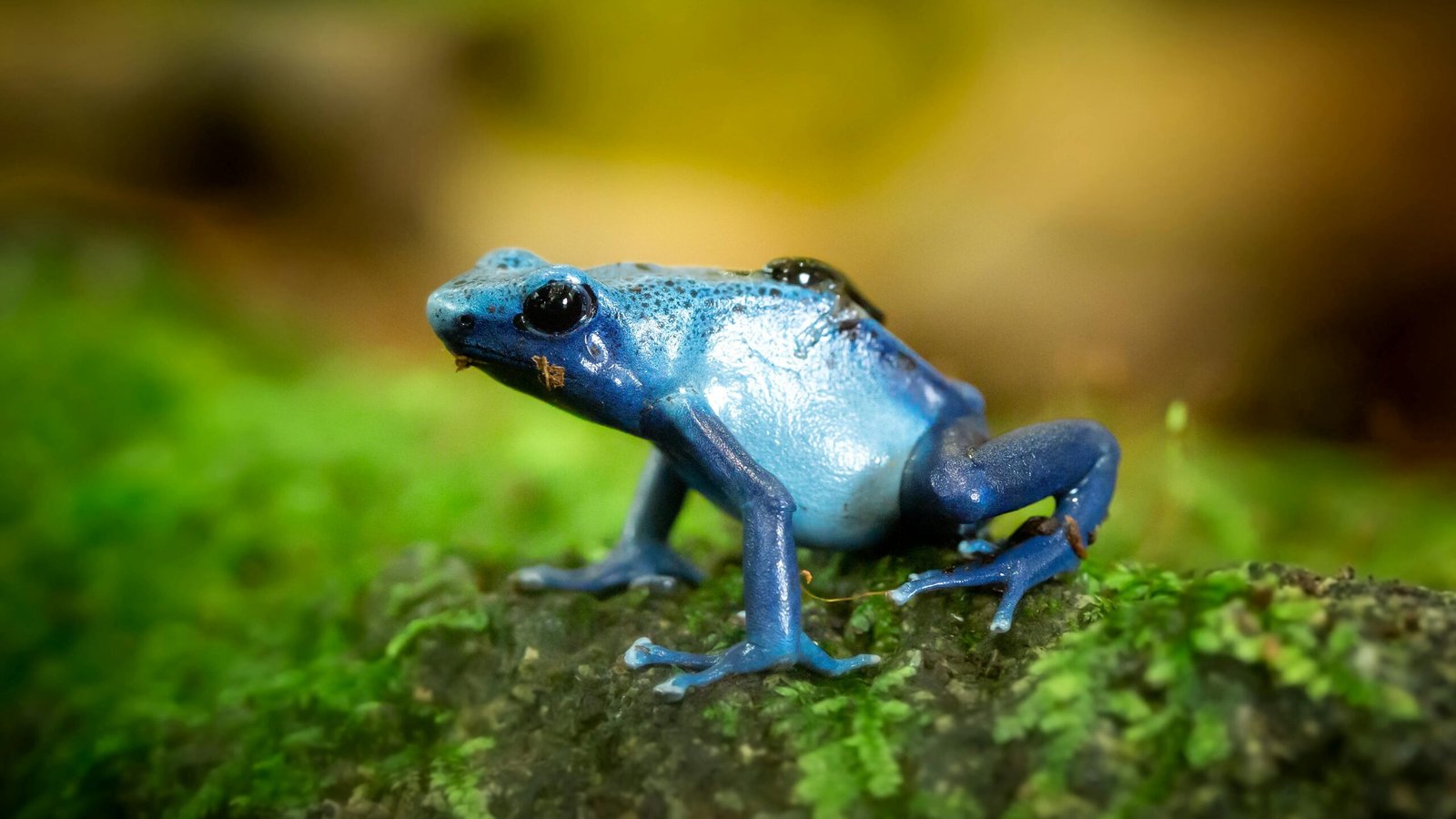
Amphibians are ectothermic, anamniotic, four-limbed vertebrate animals that constitute the class Amphibia. In its broadest sense, it is a paraphyletic group encompassing all tetrapods, but excluding the amniotes (tetrapods with an amniotic membrane, such as modern reptiles, birds and mammals). All extant (living) amphibians belong to the monophyletic subclass Lissamphibia, with three living orders: Anura (frogs and toads), Urodela (salamanders), and Gymnophiona (caecilians). Evolved to be mostly semiaquatic, amphibians have adapted to inhabit a wide variety of habitats, with most species living in freshwater, wetland or terrestrial ecosystems (such as riparian woodland, fossorial and even arboreal habitats). Their life cycle typically starts out as aquatic larvae with gills known as tadpoles, but some species have developed behavioural adaptations to bypass this.
Young amphibians generally undergo metamorphosis from an aquatic larval form with gills to an air-breathing adult form with lungs. Amphibians use their skin as a secondary respiratory interface, and some small terrestrial salamanders and frogs even lack lungs and rely entirely on their skin. They are superficially similar to reptiles like lizards, but unlike reptiles and other amniotes, require access to water bodies to breed. With their complex reproductive needs and permeable skins, amphibians are often ecological indicators to habitat conditions; in recent decades there has been a dramatic decline in amphibian populations for many species around the globe.
The earliest amphibians evolved in the Devonian period from tetrapodomorph sarcopterygians (lobe-finned fish with articulated limb-like fins) that evolved primitive lungs, which were helpful in adapting to dry land. They diversified and became ecologically dominant during the Carboniferous and Permian periods, but were later displaced in terrestrial environments by early reptiles and basal synapsids (predecessors of mammals). The origin of modern lissamphibians, which first appeared during the Early Triassic, around 250 million years ago, has long been contentious. The most popular hypothesis is that they likely originated from temnospondyls, the most diverse group of prehistoric amphibians, during the Permian period.[5] Another hypothesis is that they emerged from lepospondyls.[6] A fourth group of lissamphibians, the Albanerpetontidae, became extinct around 2 million years ago.
The number of known amphibian species is approximately 8,000, of which nearly 90% are frogs. The smallest amphibian (and vertebrate) in the world is a frog from New Guinea (Paedophryne amauensis) with a length of just 7.7 mm (0.30 in). The largest living amphibian is the 1.8 m (5 ft 11 in) South China giant salamander (Andrias sligoi), but this is dwarfed by prehistoric temnospondyls such as Mastodonsaurus which could reach up to 6 m (20 ft) in length.[7] The study of amphibians is called batrachology, while the study of both reptiles and amphibians is called herpetology.
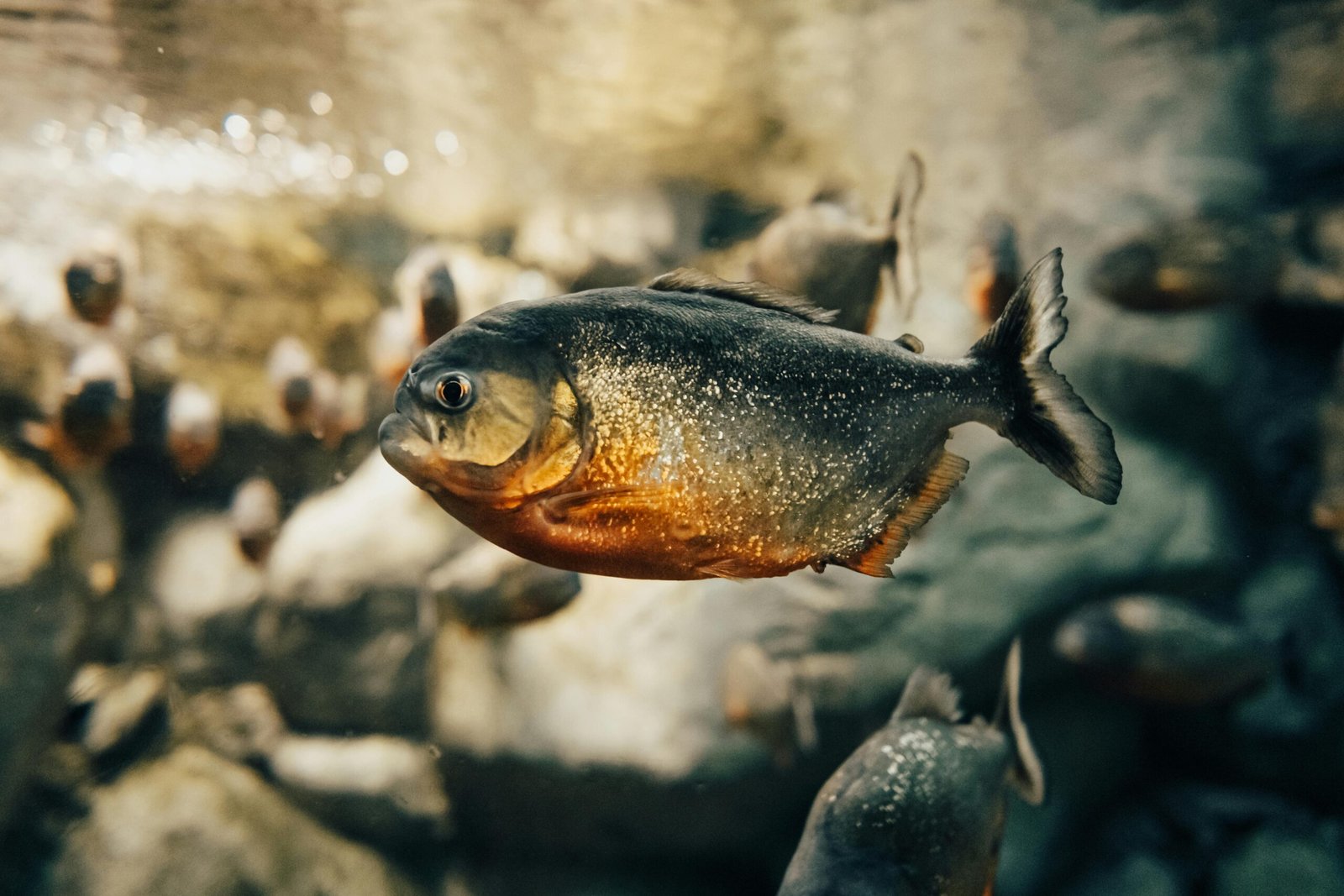
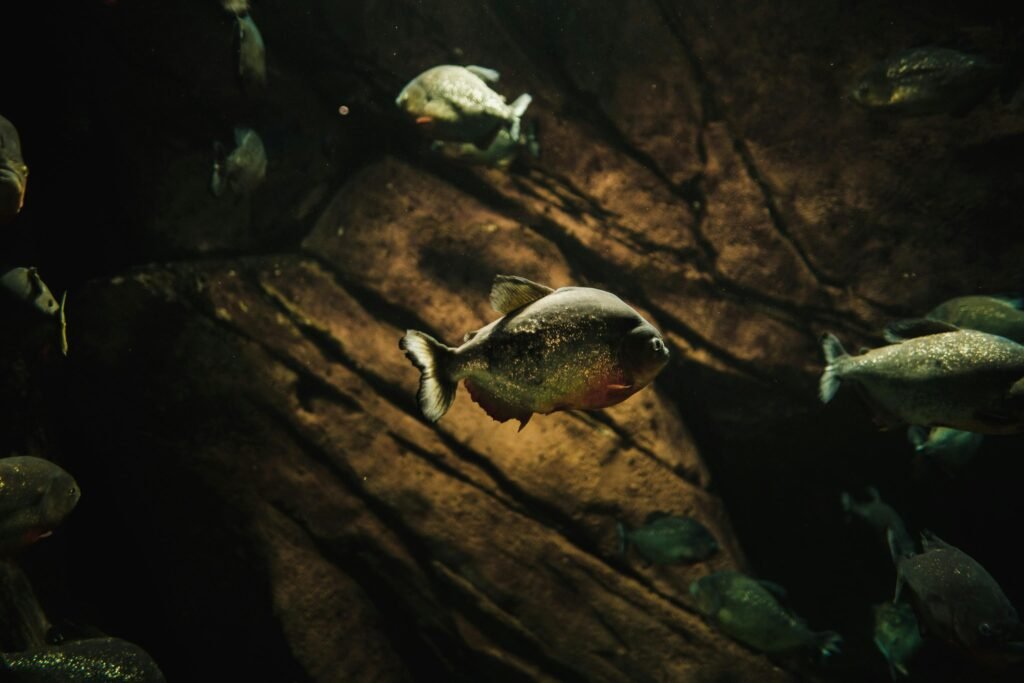
A fish is an aquatic, anamniotic, gill-bearing vertebrate animal with swimming fins and a hard skull, but lacking limbs with digits. Fish can be grouped into the more basal jawless fish and the more common jawed fish, the latter including all living cartilaginous and bony fish, as well as the extinct placoderms and acanthodians. In a break from the long tradition of grouping all fish into a single class (Pisces), modern phylogenetics views fish as a paraphyletic group which includes all vertebrates except tetrapods.
Most fish are cold-blooded, their body temperature varying with the surrounding water, though some large, active swimmers like the white shark and tuna can maintain a higher core temperature. Many fish can communicate acoustically with each other, such as during courtship displays. The study of fish is known as ichthyology.
There are over 33,000 extant species of fish, easily the largest group of vertebrates and more than all species of the other traditional classes, namely amphibians, reptiles, birds, and mammals, combined. Most fish belong to the class Actinopterygii, the ray-finned fishes, which accounts for approximately half of all living vertebrates.
The earliest fish appeared during the Cambrian as small filter feeders; they continued to evolve through the Paleozoic, diversifying into many forms. The earliest fish with dedicated respiratory gills and paired fins, the ostracoderms, had heavy bony plates that served as protective exoskeletons against invertebrate predators. The first fish with jaws, the placoderms, appeared in the Silurian and greatly diversified during the Devonian, the “Age of Fishes”.
Bony fish, distinguished by the presence of swim bladders and later ossified endoskeletons, emerged as the dominant group of fish after the end-Devonian extinction wiped out the apex predators, the placoderms. Bony fish are further divided into lobe-finned and ray-finned fishes. About 96% of all living fish species today are teleosts- a crown group of ray-finned fish that can protrude their jaws. The tetrapods, a mostly terrestrial clade of vertebrates that have dominated the top trophic levels in both aquatic and terrestrial ecosystems since the Late Paleozoic, evolved from lobe-finned fish during the Carboniferous, developing air-breathing lungs homologous to swim bladders.
Fish have been an important natural resource for humans since prehistoric times, especially as food. Commercial and subsistence fishers harvest fish in wild fisheries or farm them in ponds or breeding cages in the ocean. Fish are caught for recreation or raised by fishkeepers as ornaments for private and public exhibition in aquaria and garden ponds. Fish have had a role in human culture through the ages, serving as deities, religious symbols, and as the subjects of art, books and movies.
Primate
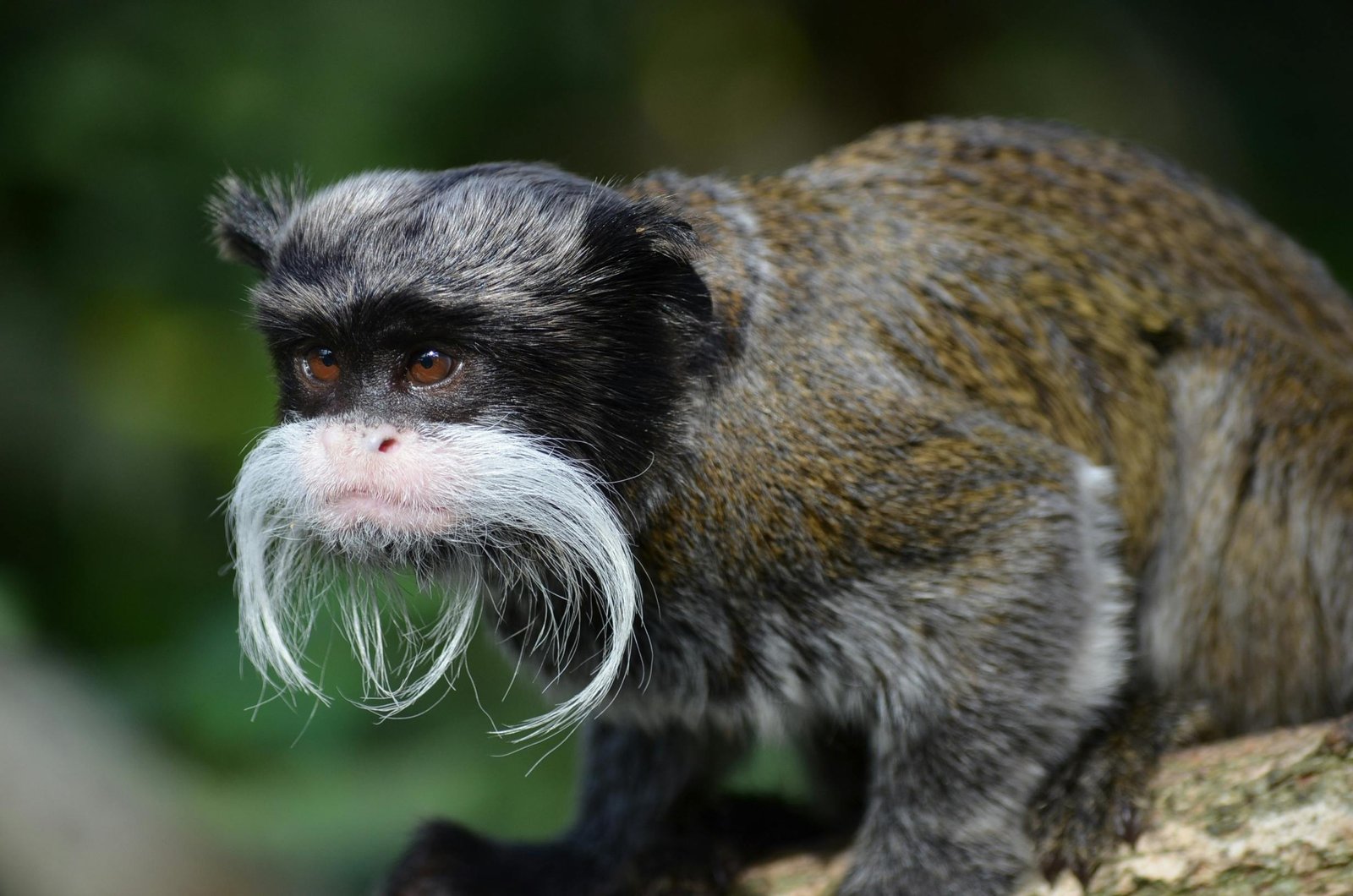
Primates is an order of mammals, which is further divided into the strepsirrhines, which include lemurs, galagos, and lorisids; and the haplorhines, which include tarsiers and simians (monkeys and apes). Primates arose 74–63 million years ago first from small terrestrial mammals, which adapted for life in tropical forests: many primate characteristics represent adaptations to the challenging environment among tree tops, including large brain sizes, binocular vision, color vision, vocalizations, shoulder girdles allowing a large degree of movement in the upper limbs, and opposable thumbs (in most but not all) that enable better grasping and dexterity. Primates range in size from Madame Berthe’s mouse lemur, which weighs 30 g (1 oz), to the eastern gorilla, weighing over 200 kg (440 lb). There are 376–524 species of living primates, depending on which classification is used. New primate species continue to be discovered: over 25 species were described in the 2000s, 36 in the 2010s, and six in the 2020s.
Primates have large brains (relative to body size) compared to other mammals, as well as an increased reliance on visual acuity at the expense of the sense of smell, which is the dominant sensory system in most mammals. These features are more developed in monkeys and apes, and noticeably less so in lorises and lemurs. Some primates, including gorillas, humans and baboons, are primarily ground-dwelling rather than arboreal, but all species have adaptations for climbing trees. Arboreal locomotion techniques used include leaping from tree to tree and swinging between branches of trees (brachiation); terrestrial locomotion techniques include walking on two hindlimbs (bipedalism) and modified walking on four limbs (quadrupedalism) via knuckle-walking.
Primates are among the most social of all animals, forming pairs or family groups, uni-male harems, and multi-male/multi-female groups. Non-human primates have at least four types of social systems, many defined by the amount of movement by adolescent females between groups. Primates have slower rates of development than other similarly sized mammals, reach maturity later, and have longer lifespans. Primates are also the most cognitively advanced animals, with humans (genus Homo) capable of creating complex languages and sophisticated civilizations, while non-human primates have been recorded using tools. They may communicate using facial and hand gestures, smells and vocalizations.
Close interactions between humans and non-human primates (NHPs) can create opportunities for the transmission of zoonotic diseases, especially virus diseases including herpes, measles, ebola, rabies and hepatitis. Thousands of non-human primates are used in research around the world because of their psychological and physiological similarity to humans. About 60% of primate species are threatened with extinction. Common threats include deforestation, forest fragmentation, monkey drives, and primate hunting for use in medicines, as pets, and for food. Large-scale tropical forest clearing for agriculture most threatens primates.
Matis people